How to Determine Your Scalp Type and Choose the Right Shampoo
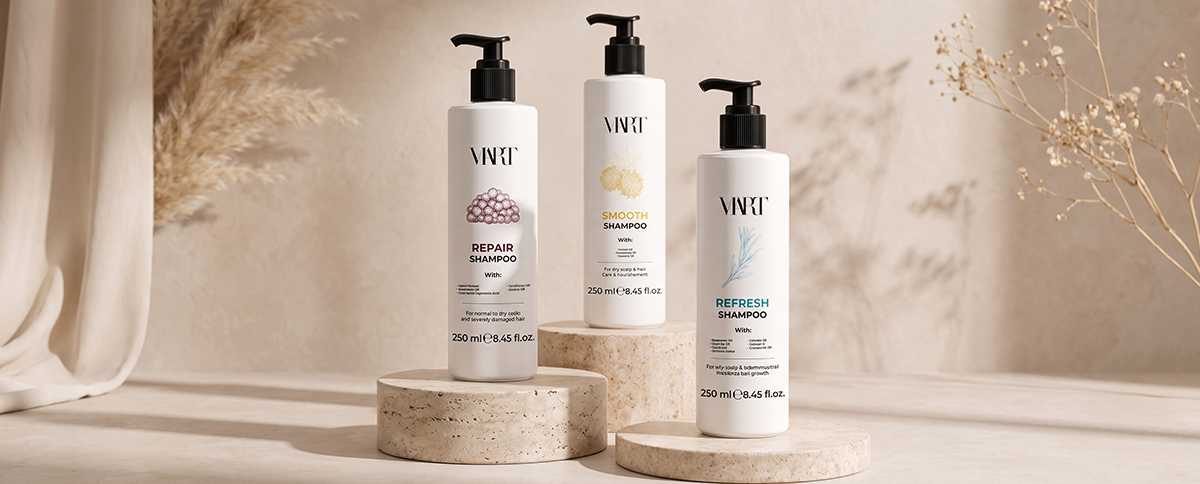
How do you choose a shampoo that cleanses the scalp well, doesn’t cause dryness, and truly fits your needs? First, you need to identify not your hair type, but your scalp’s type and current condition.
Below, we’ll cover how to determine your scalp type at home, which shampoo suits oily, dry, normal, or sensitive scalp, and what to do if your roots get greasy quickly while the lengths stay dry.
Key Takeaways
- Shampoo should be chosen first and foremost by scalp type, because it’s the scalp that shampoo cleanses of sebum, sweat, and residue from leave-in and styling products.
- Scalp condition is assessed comprehensively: by how quickly oiliness appears, the nature of sebum production, and the presence of itching, tightness, irritation, flaking, and other problem signs
- Oily scalp needs thorough, but not necessarily aggressive, cleansing.
- If the roots are oily and the lengths are dry, shampoo is applied mainly to the root area, while the lengths are cared for with a mask, conditioner, and leave-in products.
- A well-chosen shampoo shouldn’t cause burning sensation, noticeable tightness, or a constant feeling of not being clean enough.
Table of Contents
1. Why shampoo should be chosen by scalp type
We often judge hair by its length: is it dry or soft, shiny or dull, natural or lightened. But shampoo’s main job is to cleanse the scalp itself, since that’s where the following accumulate:
- sebum;
- sweat;
- dust;
- styling product residue;
- dry shampoo residue;
- dead skin cells.
So, to answer the popular question “Should shampoo be chosen by hair type or scalp type?” — here’s the answer:
Shampoo is chosen primarily by scalp type and condition, while conditioner, masks, and leave-in care are chosen based on the needs of the hair’s length.
That doesn’t mean the lengths can be ignored entirely. When rinsing, the foam still touches the hair, so for lightened, dry, or damaged lengths it’s best to avoid excess friction and overly harsh cleansing.
2. Scalp types
Broadly speaking, scalp can be oily, normal, or dry. Sensitivity and combination conditions should be considered separately.
Oily scalp
Main signs:
- roots lose freshness quickly;
- a noticeable oily shine appears;
- hair sticks together at the roots;
- root volume disappears quickly;
- you need to wash more often.
A shampoo for oily scalp should remove sebum and product buildup well, but shouldn’t cause burning sensation or strong tightness.
Normal scalp
Main signs:
- no dryness, itching, or irritation after washing;
- roots keep a neat appearance;
- oily shine appears gradually, without being excessive;
- the scalp doesn’t feel tight or uncomfortable;
- no need for very frequent washing.
A shampoo for normal scalp should maintain the natural balance, gently cleanse the scalp of sebum and impurities, and not dry it out or cause irritation.
Dry scalp
Possible signs:
- a feeling of tightness after washing;
- fine dry flaking;
- itching;
- discomfort after hot water;
- sensitivity to active shampoos.
A shampoo for dry scalp should cleanse gently, not disrupt the skin’s protective barrier, and keep it comfortable after washing.
Sensitive scalp
Sensitivity isn’t a separate type but a condition that can combine with dryness, normal oiliness, or heavy sebum production.
Signs of sensitivity:
- redness;
- burning sensation;
- itching;
- irritation;
- reactions to certain products or fragrances.
If you notice these signs, you need a gentle shampoo for sensitive scalp that cleanses gently, soothes the skin, and doesn’t trigger further irritation.
Combination condition
The most common example is oily roots and dry ends. This often happens when the hair is:
- long;
- lightened;
- regularly colored;
- damaged by heat styling tools;
- naturally porous.
In this case, the scalp and the lengths have different needs, so care should be tailored individually to each zone.
3. How to determine your scalp type at home
To figure out what your scalp type is, assess several factors, not just one sign.
Step 1. Notice how quickly oiliness appears
As a rough guide:
- roots lose freshness within a day — possibly oily scalp;
- stay comfortable for about two days — normal or oil-prone;
- don’t get oily for a long time, but there’s tightness and dry flakes — possibly dry scalp.
This is an approximate guide, not a precise diagnostic test. Washing frequency is also affected by physical activity, heat, headwear, styling, and your personal standards for hair freshness.
Step 2. Assess how it feels after washing
A few hours after using your usual shampoo, pay attention to:
- tightness, dryness, or itching after washing point to dry, sensitive skin, or an unsuitable shampoo formula;
- a comfortable feeling of freshness means the cleansing was well matched;
- a feeling of heaviness or of not being clean enough points to overly gentle cleansing or product buildup.
Step 3. Check the roots after 24–48 hours
In daylight, look at the root area:
- oily shine and strands sticking together are signs of active sebaceous gland activity and, as a result, excess sebum;
- fine dry flakes together with tightness may indicate dryness;
- redness and irritation point to sensitivity or an unwanted reaction to the products used
Step 4. Factor in the season and your routine
Scalp condition can temporarily change due to:
- dry winter air;
- heat and sweating;
- stress;
- hormonal changes;
- a new shampoo;
- frequent use of dry shampoo;
- styling product buildup.
So scalp type and its current condition aren’t always the same thing. For example, oily scalp can be sensitive at the same time.
4. Which shampoo to choose for different scalp types
For oily scalp you need a shampoo that:
- cleanses well and removes sebum;
- doesn’t leave a heavy film;
- rinses out easily;
- doesn’t weigh down the roots;
- doesn’t cause irritation.
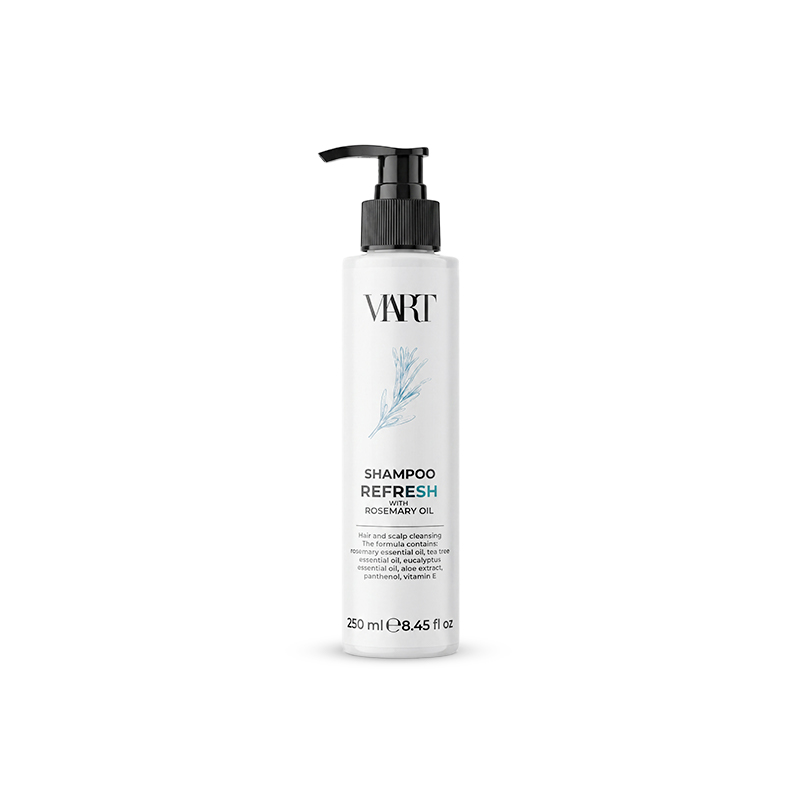
We recommend one of the VIART shampoos:
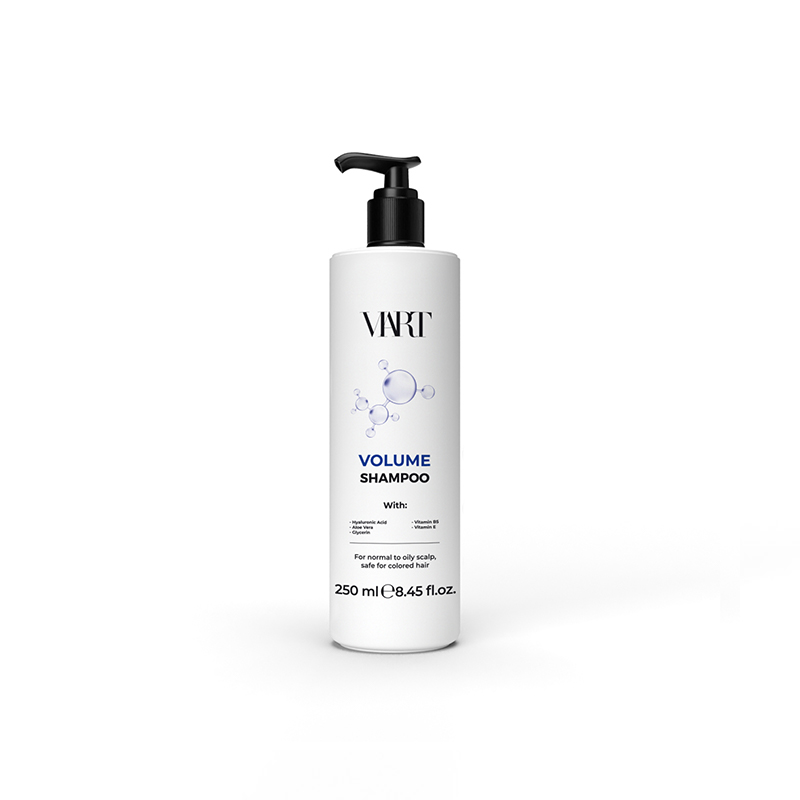
Volume Shampoo
besides effective cleansing, it builds root volume and thickens fine hair.
go to the product pageFor scalp prone to oiliness
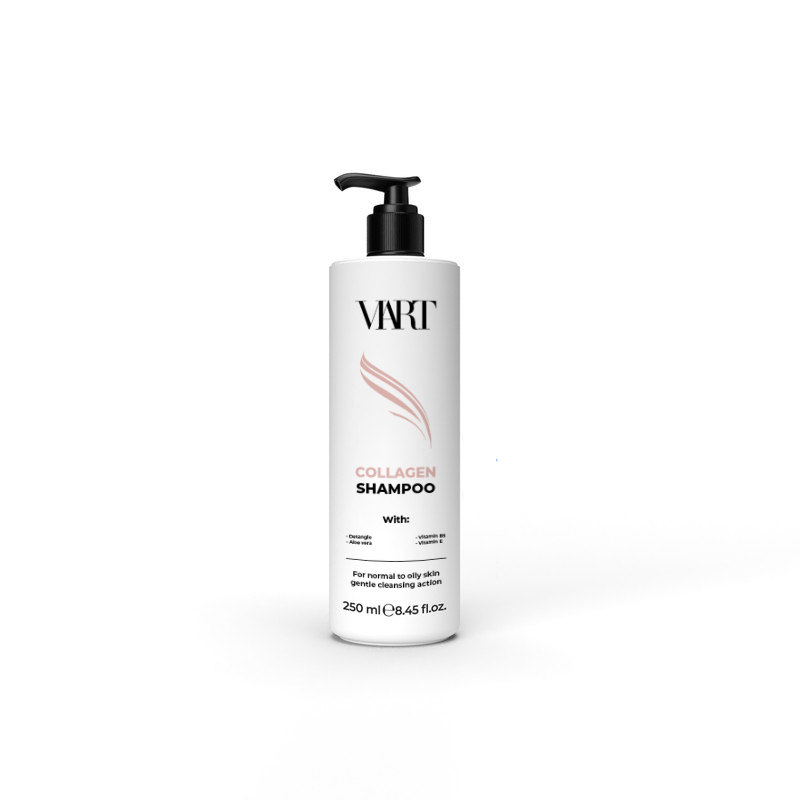
You need a balance between cleansing and comfort, so we recommend Collagen Shampoo, which gently cleanses the scalp and repairs damaged hair, adding smoothness and manageability.
Collagen Shampoo
gently cleanses the scalp and repairs damaged hair, adding smoothness and manageability
go to the product pageFor normal scalp
You can also factor in additional hair needs:
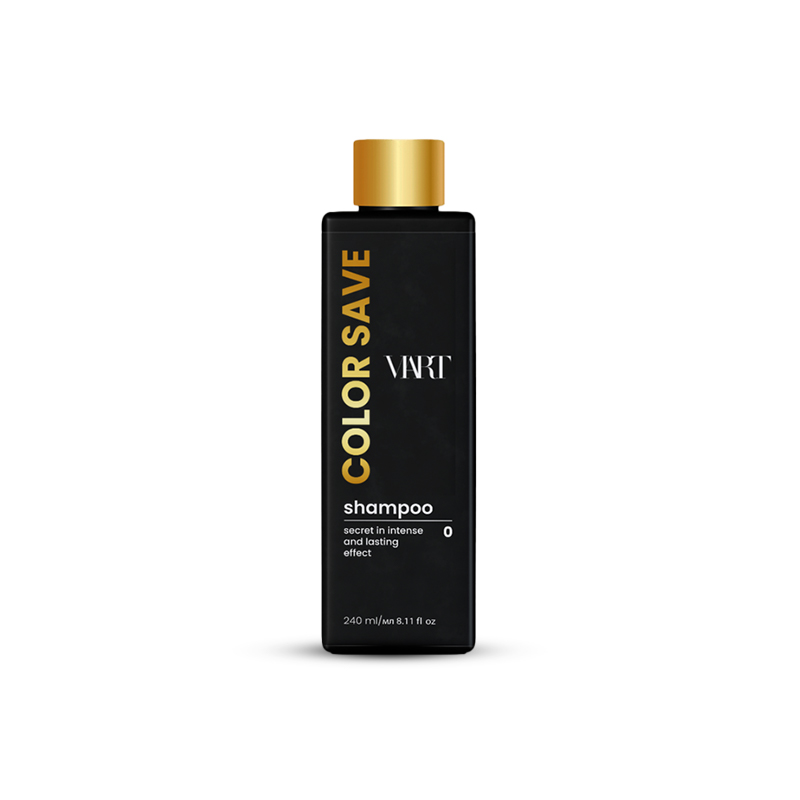
Color Save Shampoo
for colored hair: provides quality care without washing out color.
go to the product page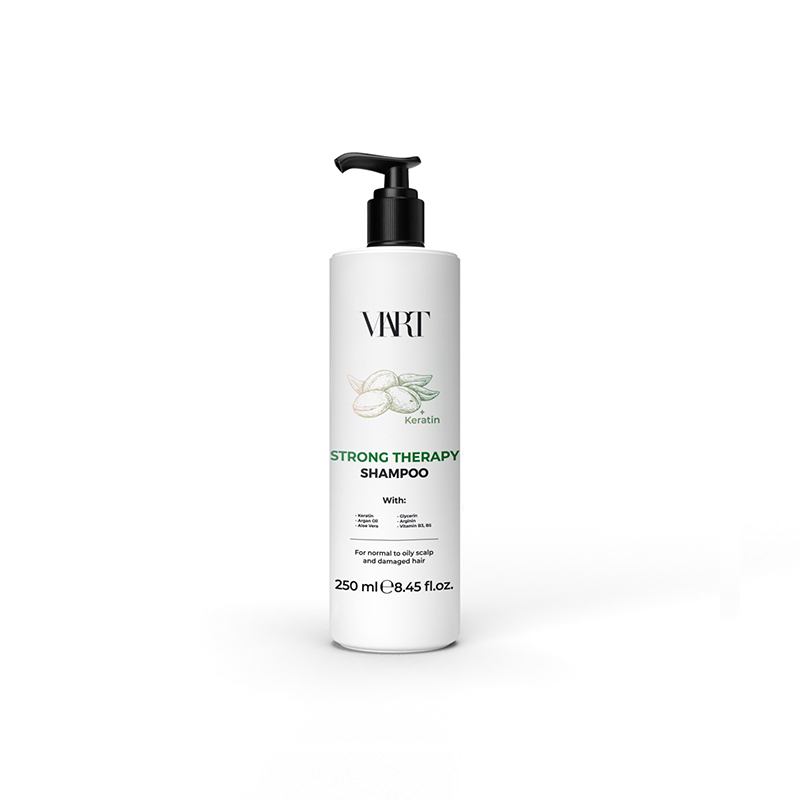
Strong Therapy Shampoo
for hair damaged by chemical treatments that needs strengthening and more shine: makes hair shiny and healthy while gently caring for normal scalp.
go to the product page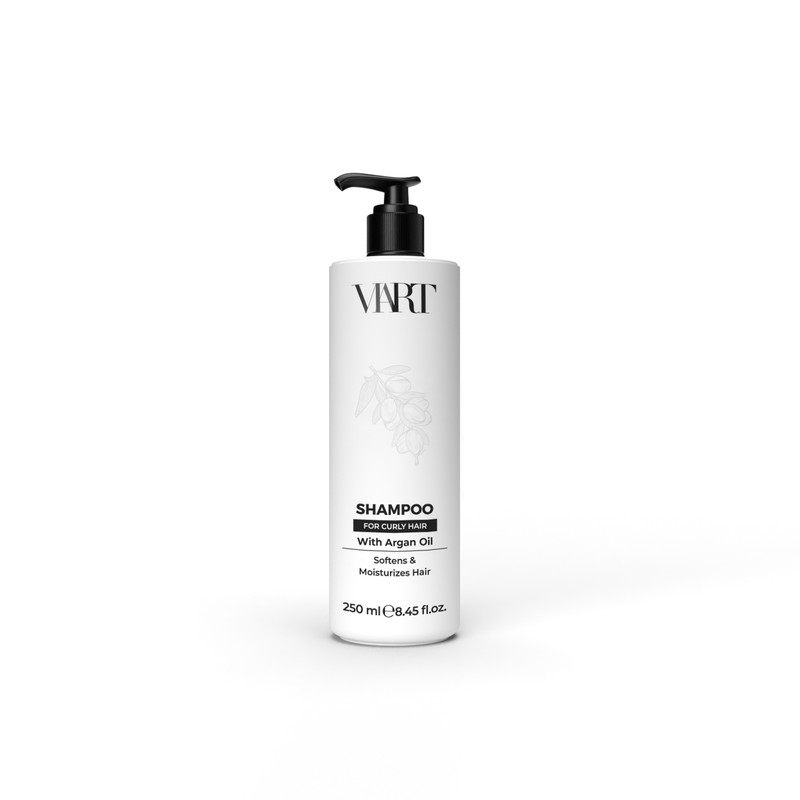
Curly Shampoo
for wavy or curly hair: softens and moisturizes hair, helps restore and maintain curl elasticity.
go to the product pageFor dry scalp
There are also several options that gently cleanse dry scalp while addressing specific hair needs:
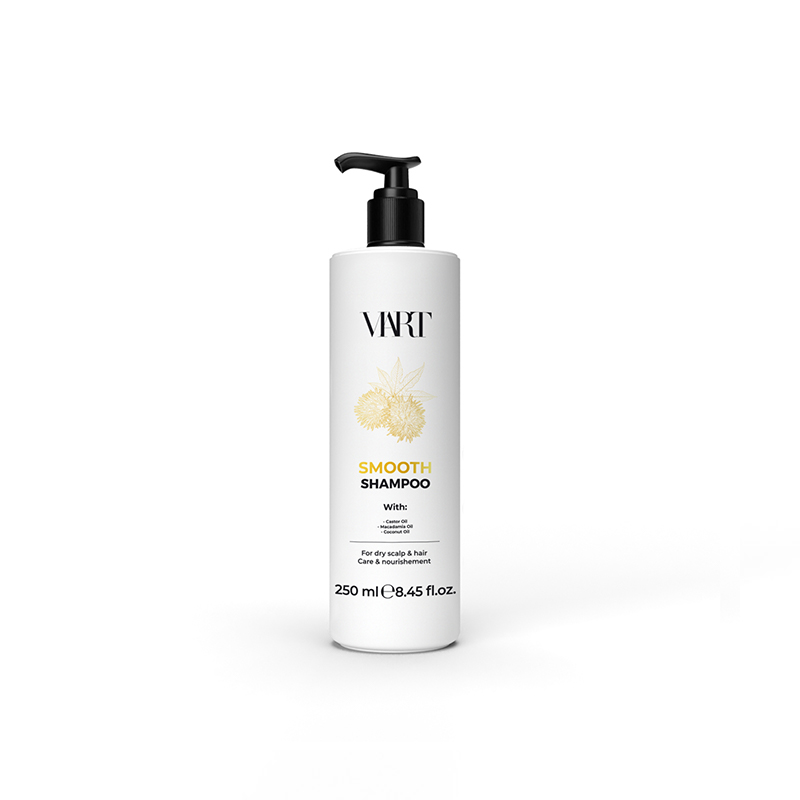
Smooth Shampoo
moisturizes and nourishes, making it ideal for dry scalp and hair.
go to the product page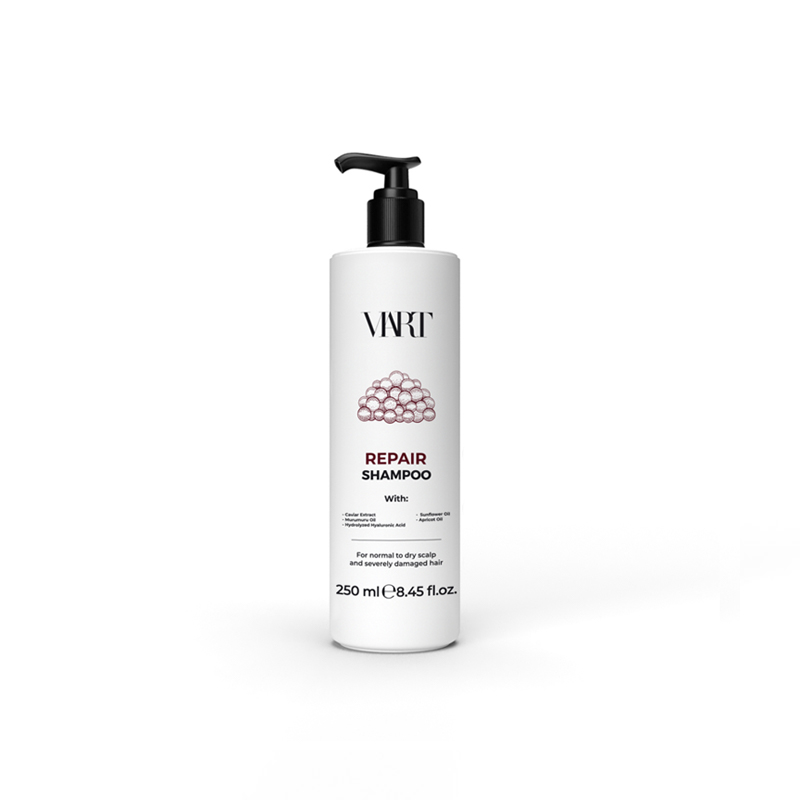
Repair Shampoo
restores and improves hair condition, so it suits damaged, brittle, or lightened lengths.
go to the product pageOne of the main signs that a shampoo suits you is that after washing there’s no noticeable tightness, burning sensation, or increased dryness.
For extra needs
These shampoos don’t need to be used at every wash — alternate them with the shampoo chosen for your scalp type:
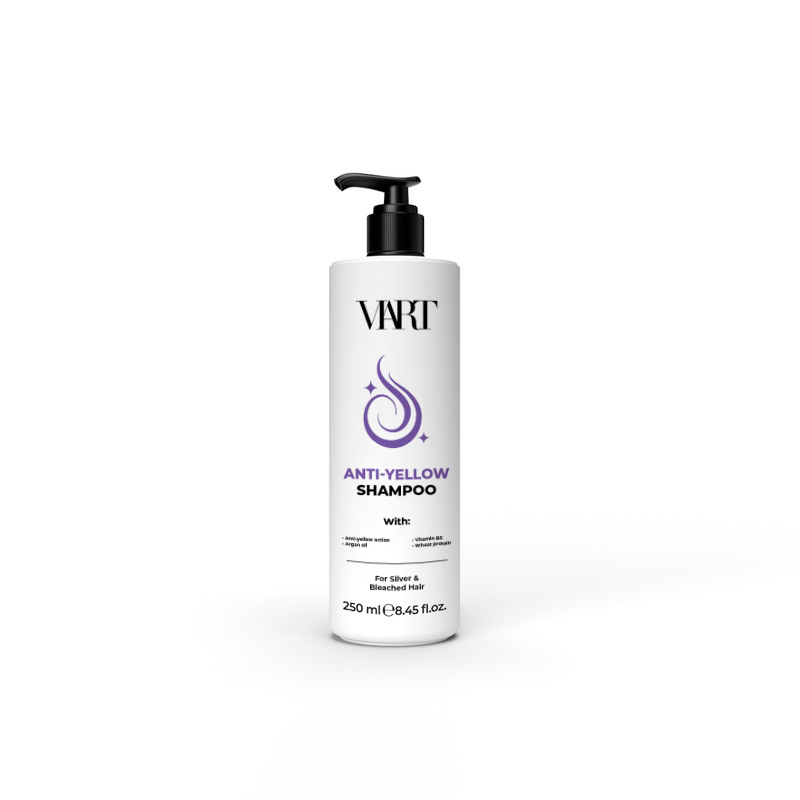
Anti-Yellow Shampoo
neutralizes unwanted yellow tones in blonde, gray, or lightened hair.
go to the product page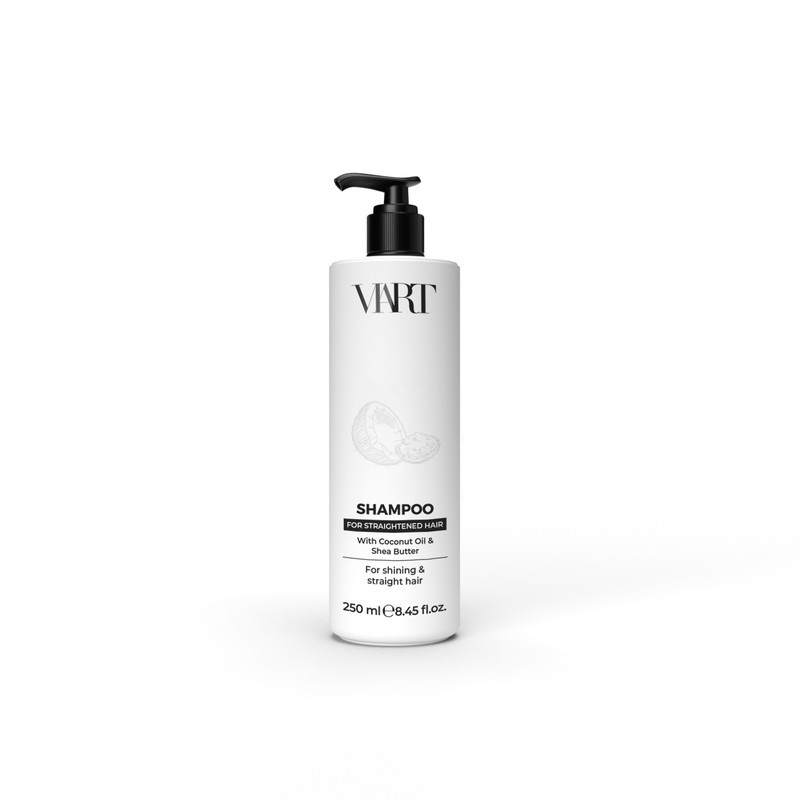
Shampoo for Straightened Hair
for hair after keratin treatment, Botox, or nanoplasty.
go to the product page5. What to do if the roots are oily and the lengths are dry
If you have oily roots and dry ends, you don’t have to choose between cleansing the scalp and protecting the lengths.
The right approach:
- Choose a shampoo that suits your scalp’s needs.
- Apply it mainly to the root area.
- Don’t rub the shampoo vigorously into the dry ends.
- Use a conditioner or mask on the lengths after every wash.
- Add leave-in care and heat protection.
If needed, you can alternate two shampoos on different washing days: one for more thorough cleansing, the other gentler for frequent use or extra moisture.
6. How to tell a shampoo doesn’t suit you
Signs that a shampoo doesn’t suit your scalp:
- burning sensation appears regularly after washing;
- the scalp feels tight;
- itching increases;
- redness appears;
- a filmy feeling remains;
- roots look insufficiently clean;
- scalp condition noticeably worsened after switching to a new product.
One unsuccessful wash doesn’t always mean the shampoo is wrong for you. It could be due to using too little product, too much styling buildup, or poor rinsing. But if discomfort keeps happening regularly, it’s better to switch products.
7. Quick answers to common questions
Should shampoo be chosen by hair type or scalp type?
Primarily by scalp type and condition. Masks, conditioner, and leave-in products are chosen based on the needs of the lengths.
How can I quickly determine my scalp type?
Notice how quickly the roots get oily, whether there’s tightness after washing, and how the scalp reacts to your usual shampoo.
What should I do if the roots are oily but the ends are dry?
Choose a shampoo for your scalp, and use a mask, conditioner, leave-in care, and heat protection for the lengths.
How can I tell if a shampoo is over-drying my scalp?
Signs include regular tightness, dryness, burning sensation, itching, and increased discomfort after washing.
Do I need to apply shampoo to the lengths?
Usually not. Shampoo is applied mainly to the scalp, and the foam cleanses the lengths as it rinses out. There’s an exception: if you need to remove buildup of metals, styling products, or films, a chelating wash can be done — in that case, special deep-cleansing products are applied to the lengths. But this kind of wash should only be done with special products in specific cases!
Conclusion
To choose the right shampoo, first determine your scalp’s type and current condition. Consider how quickly oiliness appears, comfort after washing, and whether there’s dryness, itching, or irritation.
Shampoo should cleanse the scalp well enough without causing unwanted discomfort. Dry, lightened, or damaged lengths should be cared for separately — with conditioner, a mask, leave-in care, and heat protection.
You can buy VIART home care products on our website or with a manager’s help on Instagram.
Instagram